Tinnitus, ear fullness, and hearing
What should be evaluated first when tinnitus, ear fullness, and hearing loss occur together?
Just because ear fullness has decreased does not mean that tinnitus and balance discomfort have recovered at the same rate. After first identifying the cause related to hearing, the ear, and the auditory nerve, the next course of treatment is determined based on when the remaining symptoms intensify and what they obstruct in daily life.
tinnitusis not just a single symptom of hearing sounds in the ears. If sudden hearing loss in one ear occurs, an immediate hearing evaluation is required. The order of treatment varies depending on whether the tinnitus is pulsating, whether dizziness and ear fullness occur together like an attack, and how much long-term tinnitus disrupts sleep and concentration. Even if the feeling of fullness decreases first, tinnitus or balance discomfort may remain, so changes in each symptom must be tracked chronologically.
| Pattern | Primary Concern | Next Step in Treatment |
|---|---|---|
| Sudden hearing loss in one ear | Sudden sensorineural hearing loss | Visit an ENT clinic for a hearing test without delay |
| Pulsating tinnitus that syncs with the pulse | Vascular or structural causes | Necessary imaging tests following a medical evaluation |
| Tinnitus, ear fullness, and vertigo | Inner ear diseases such as Meniere's disease | Evaluate hearing changes and seizure patterns together |
| Long-term non-pulsatile tinnitus | Hearing, neck/jaw, sleep, and emotional burden | Combine auditory management and Korean medicine treatment goals separately |
If sound suddenly becomes quieter in one ear, hearing is evaluated before tinnitus
If you wake up in the morning and phone sounds are quiet in one ear, or if your ear feels clogged along with tinnitus and dizziness over a few days, sudden sensorineural hearing loss must be checked first. Rather than waiting and attributing it to earwax or a cold, you must receive a hearing test at an otolaryngology clinic immediately.
Sudden hearing losscan lead to missed opportunities for recovery if treatment is delayed. During this period, rather than first scheduling lifestyle management to reduce tinnitus or Korean medicine treatment, acute hearing treatment takes priority, followed by concurrent treatment for remaining tinnitus, fullness, and systemic recovery.
Sounds that beat in time with your pulse or one-sided tinnitus narrow down the cause
Whooshing or throbbing sounds that follow the rhythm of a heartbeat pulsatile tinnitusare evaluated differently from general high-pitched tinnitus. After an examination, imaging tests may be necessary to check for causes related to blood pressure, blood vessels, or the structures around the ear.
Tinnitus that is heard only on one side and is accompanied by hearing differences and balance issues is not treated the same way as long-term bilateral tinnitus. Only after checking for causes in the ear or auditory nerve can the tension in the neck and jaw, sleep, and systemic patterns from a Korean medicine perspective be safely integrated into treatment.
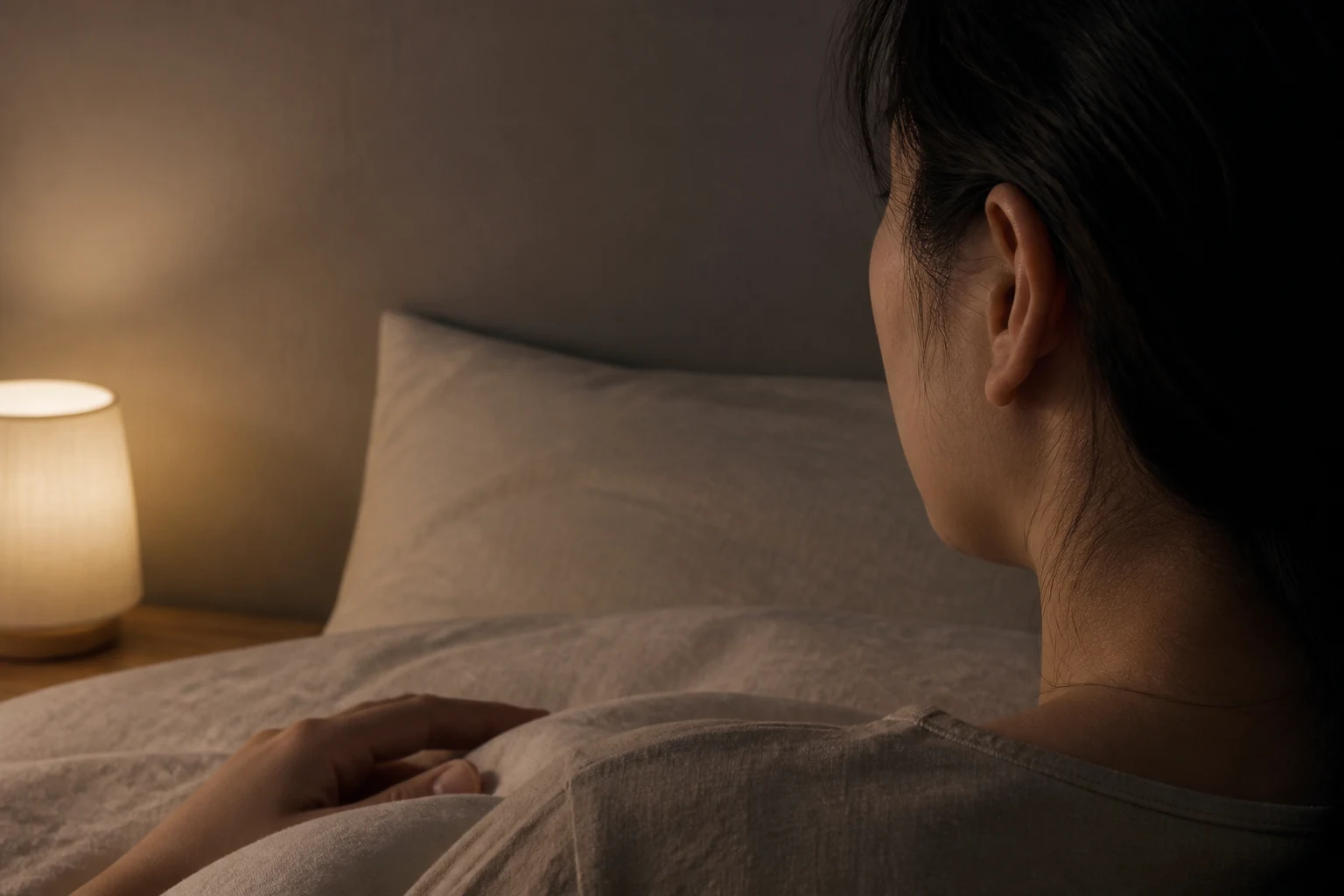
As ambient noise decreases and sleep anxiety increases, your attention may become more focused on the tinnitus.
When ear fullness and dizziness occur together like an attack, Meniere's patterns are considered
If one ear feels full, tinnitus increases, hearing fluctuates, and rotational dizziness lasting from 20 minutes to several hours recurs, Meniere's diseaseit overlaps with the patterns of Meniere's disease. The diagnosis depends on whether low-frequency changes are confirmed in the hearing test and whether it is not better explained by other vestibular diseases.
Conversely, BPPV, where dizziness occurs only for a few seconds when turning the head, and vestibular migraines, which recur with sensitivity to light and sound even without a headache, require different treatments. Ear FullnessRather than a single feeling of fullness, the combination of hearing loss and the duration of dizziness determines the direction of medical evaluation.
Even if the feeling of fullness decreases first, tinnitus and balance discomfort are recorded separately
The feeling of pressure in the ear may lighten while tinnitus remains, or tinnitus may subside while a feeling of instability remains when walking or turning your head. Do not assume that other symptoms are following the same recovery process just because one symptom has improved; check hearing, tinnitus, fullness, vertigo, and instability individually.
During the medical evaluation, we separately identify which symptom decreased first and which remaining symptoms interfere with sleep, conversation, walking, or viewing screens. The order of subsequent treatment is determined based on the symptom that most significantly hinders your daily life, rather than the symptom that recovered first.
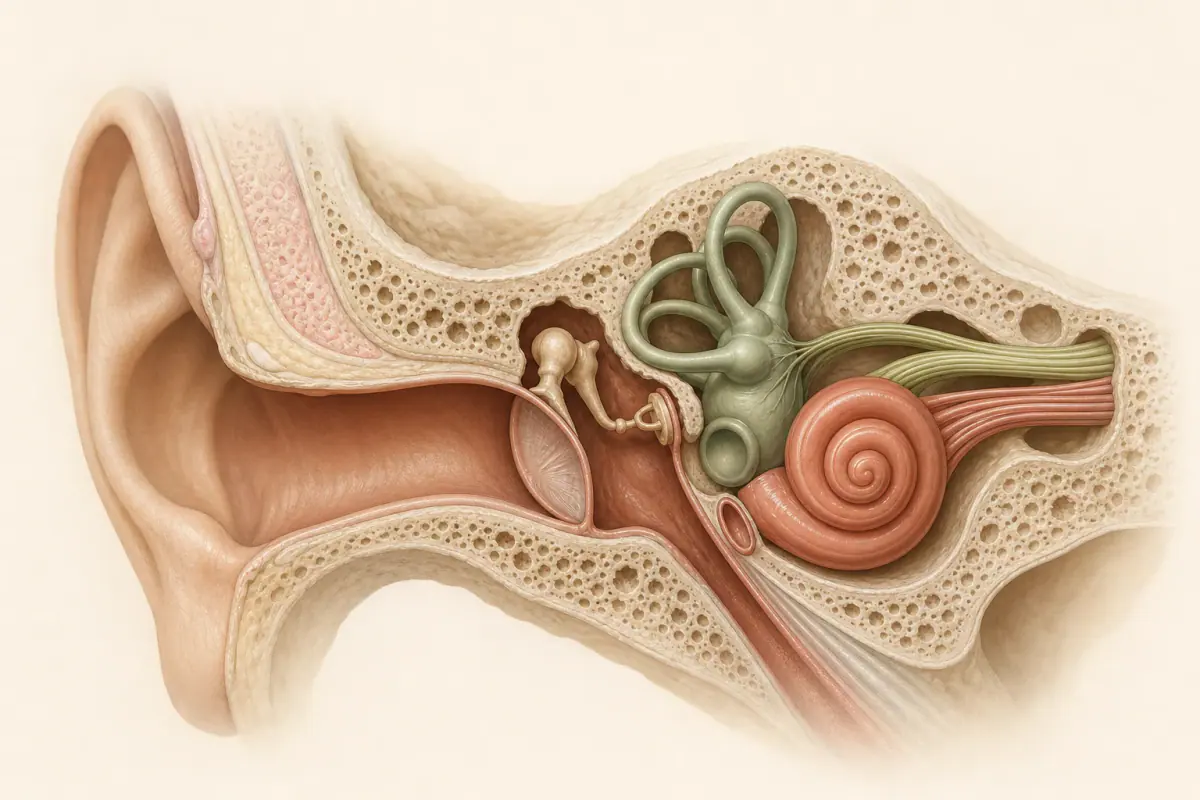
Although the auditory and balance organs are located close to each other, tinnitus, muffled ears, and dizziness must be evaluated through a combination of ear examinations and hearing and balance assessments.
For long-term tinnitus, we treat the loss of sleep and concentration rather than just the sound
Even with the same volume of tinnitus, some people can ignore it during the day, while others struggle to sleep every night, find it difficult to converse, and cannot concentrate on work. If there is hearing loss, hearing aids and sound therapy can help restore external sounds and reduce the prominence of tinnitus.
If the sound changes when turning your neck or clenching your jaw, we also examine somatosensory patterns where sensations from the neck and jaw joints affect the tinnitus. If lack of sleep, anxiety, and neck and shoulder tension keep your attention fixed on the tinnitus, treatment targeting only the sound will not sufficiently reduce the burden on your daily life.
Korean medicine treatment does not look at the ears alone, but analyzes the bodily combinations that amplify tinnitus
For those whose tinnitus worsens after overwork and who have weak lower backs, knees, and low energy, we focus more on the deficiency of kidney essence, qi, and blood. For those with facial heat, headaches, dry mouth, and insomnia, we focus more on liver fire and upper-body heat. If ear fullness, a heavy head, nausea, and bloating overlap, we increase the proportion of phlegm-fluid (dam-eum) when composing the Korean herbal medicine.
Rather than repeatedly stimulating only the area around the ear, acupuncture treatment addresses tension in the jaw, neck, and occipital region, as well as the hyperarousal that interferes with sleep. We do not claim that Korean herbal medicine alone can reverse hearing loss; instead, while continuing necessary auditory treatments, we aim for a direction where the prominence of tinnitus, sleep, concentration, and fatigue all improve together.
Recovery is seen as the change that allows you to fall asleep and carry on with your day even in a quiet room
Even if tinnitus does not completely reach 0, if the time it takes to fall asleep shortens, early morning awakenings decrease, and you can concentrate on conversation and work again, the burden on the brain to process the sound is changing. It is also a sign of recovery when tension in the neck and jaw is released and the time it takes to return to the original state shortens even if the sound increases after overwork.
For acute hearing loss and pulsating tinnitus, the cause is identified first; for chronic tinnitus, Korean medicine treatment is combined with hearing aids, sound therapy, and counseling as needed. Baekrokdam does not just chase the sound in the ear, but adjusts sleep, neck/jaw tension, digestion, body heat, and energy to reduce the proportion of the day that tinnitus occupies.
Sudden hearing loss in one ear requires an immediate hearing evaluation, and the cause is categorized based on whether pulsating or paroxysmal dizziness is present. Even if fullness decreases, if tinnitus or balance discomfort remains, record the onset and recovery time of each symptom separately, and determine the scope of treatment for the remaining daily discomfort while continuing necessary auditory and vestibular treatments.
Evidence and Update Information
This content was organized by Korean medicine doctor Choi Yeon-seung based on the materials below and was updated on 2026-09-03.
- NIDCD: TinnitusCauses of tinnitus, hearing evaluation, sound therapy, and daily burden
- NIDCD: Sudden DeafnessEmergency evaluation and treatment timing for sudden unilateral sensorineural hearing loss
- NIDCD: Ménière’s DiseaseParoxysmal combinations of dizziness, hearing, tinnitus, and ear fullness, and hearing tests
- NICE NG155: TinnitusEvaluation of pulsating or unilateral tinnitus, hearing changes, and impact on daily life
- PubMed: Acupuncture for Tinnitus, scoping reviewScope and differences in research design of clinical studies on acupuncture for tinnitus
- AAO-HNSF: Clinical Practice Guideline: TinnitusHearing evaluation and treatment recommendations for persistent and bothersome tinnitus in adults