Differential Diagnosis of Facial Movement
What is the difference between eyelid twitching, facial spasms, and facial paralysis?
This explains the distinguishing characteristics of common eyelid twitching, blepharospasm, hemifacial spasm, and facial paralysis, the necessary evaluations, and the role of Korean herbal medicine and acupuncture in managing recurrence and recovery.
Fine trembling of the eyelid, pulling from one eye down to the corner of the mouth, and loss of strength on one side of the face are different issues. Rather than the term 'twitching,' we first observe whether movement is occurring or whether strength is disappearing.
| Appearance | Main Symptoms | Next action |
|---|---|---|
| Fine tremors of the eyelid only | Recurrence linked to fatigue, caffeine, and sleep | Evaluation required if persistent or expanding |
| Repeated contractions of one eye and the corner of the mouth | Spasms occur while facial strength is maintained | Neurological cause evaluation |
| Loss of strength in the forehead, eye, and mouth on one side | New facial asymmetry and difficulty closing the eye | Same-day medical evaluation |
If only the eyelid tremors finely, fatigue-induced eyelid tremor is common
If a part of the upper or lower eyelid flickers briefly without changes in vision or facial strength, it is a common Eyelid twitchingoccurrence. It often worsens when lack of sleep, stress, eye fatigue, and caffeine overlap, and subsides with rest.
However, if symptoms continue to worsen for several weeks, if contractions are strong enough to close the eyes involuntarily, or if other facial muscles are affected, it is not viewed as simple fatigue. A medical evaluation is necessary to determine if it is blepharospasm, where both eyes close tightly together, or a unilateralFacial Spasmcondition that spreads to one side of the face.
If pulling occurs from one eye down to the corner of the mouth, hemifacial spasm is considered
Hemifacial spasm usually begins with contractions around one eye and spreads to the cheek and corner of the mouth on the same side. It is not a loss of facial strength, but rather repeated muscle pulling when not intended, which may become more noticeable during times of fatigue or tension.
Neurological evaluation and MRI may be necessary to identify structural causes, such as blood vessel compression around the facial nerve, and botulinum toxin injections or surgery may be treatment options. Even when considering Korean medicine treatment, the cause evaluation is not skipped, nor are repeated contractions attributed solely to fatigue.
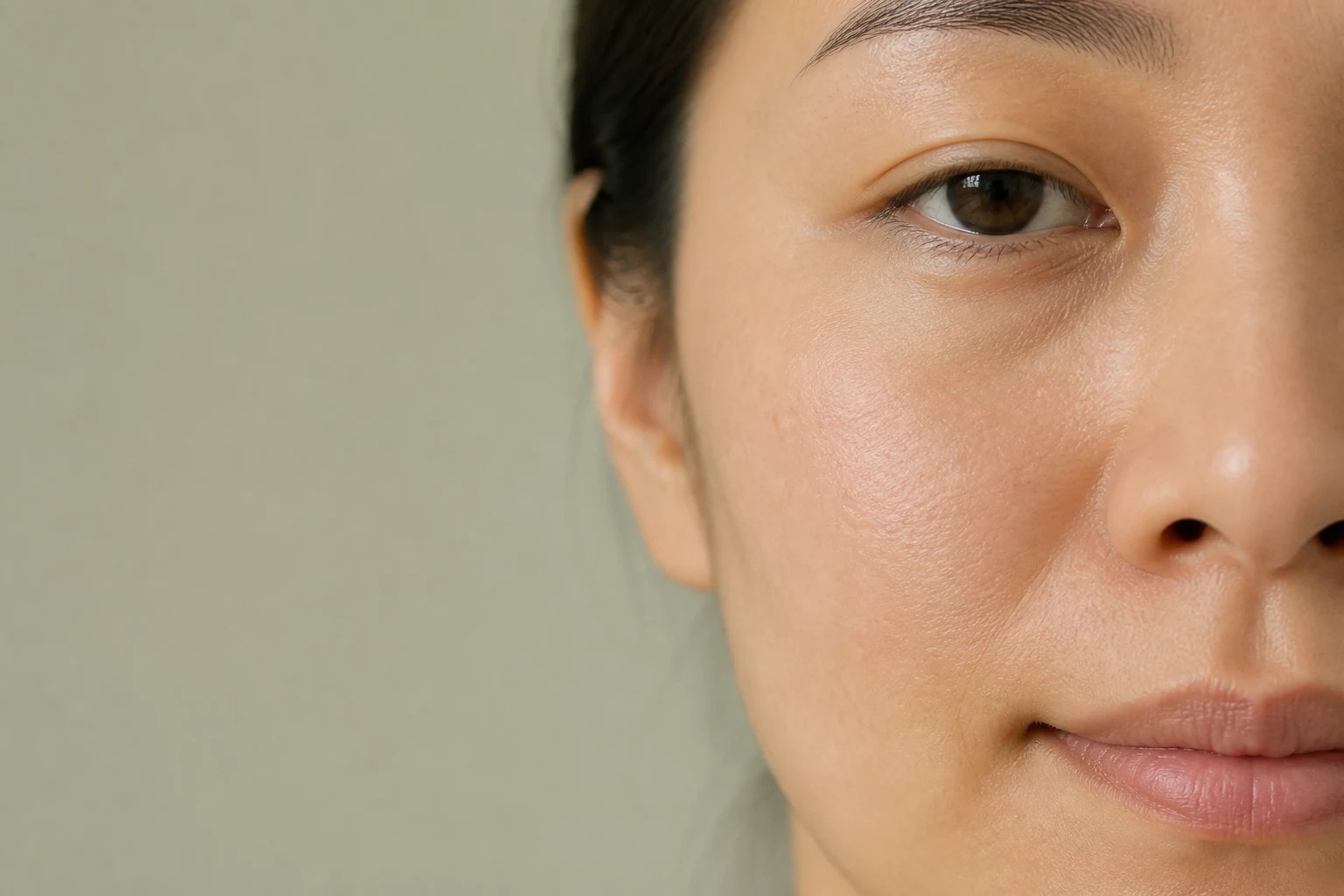
New facial asymmetry requires prompt medical evaluation, while for intermittent twitching, providing a video showing the entire face is helpful.
Loss of facial strength and asymmetry are different issues from twitching
Facial palsyMovement is reduced, such as one corner of the mouth rising less when smiling, difficulty closing the eyes completely, or weakened forehead wrinkles. Unlike spasms where unwanted movements are added, this is a state where the strength to create necessary facial expressions is diminished.
If sudden facial drooping occurs along with decreased arm strength, slurred speech, or gait abnormalities, the possibility of a stroke is checked first. Even if only the face appears weak, early treatment for Bell's palsy is time-sensitive, and if the eye cannot close, corneal protection is required, so it is appropriate to receive an evaluation on the same day.
Korean medicine treatment does not serve the same role in these three conditions
When fatigue-induced eyelid Tremortwitching recurs, the conditions that easily trigger twitching are reduced by managing sleep, eye fatigue, neck and shoulder tension, caffeine dependence, and decreased energy. The approach involves using herbal medicine to aid sleep and fatigue recovery, and acupuncture to relieve excessive tension around the eyes, neck, and shoulders.
In hemifacial spasm, after confirming structural causes and the need for injection or surgical treatment, the concurrent goal is to reduce facial pulling, tension, and sleep disturbance. For facial palsy, after completing acute phase treatment and eye protection, the timing and intensity of herbal medicine and acupuncture treatments are adjusted to focus on the recovery of paralyzed movement and the subsequent pulling or synkinesis.
In daily life, reduce fatigue and eye dryness rather than applying strong stimulation to the face
When eyelid twitching occurs, relying on more caffeine or massaging the area around the eyes strongly may increase irritation. Ensure adequate sleep, let the eyes rest after long periods of screen use, and seek ophthalmological care if you have dry eyes.
For facial spasms or palsy, exercises that forcibly and repeatedly exaggerate facial expressions are not always helpful. Especially when synkinesis begins during the recovery phase, strong facial exercises can increase pulling; therefore, gentle rehabilitation and treatment suited to current movement should be selected.
The signs of improvement differ between twitching, spasms, and palsy
For eyelid twitching, it is important that the frequency of onset and duration decrease, and that it does not spread to other parts of the face even on tiring days. For hemifacial spasm, the frequency of pulling strong enough to close the eye and the degree to which it interferes with driving, conversation, and sleep must decrease.
For facial palsy, recovery is monitored through the sequential return of the ability to close the eyes, drink water, articulate speech, and move both sides of the face when smiling. Since intermittent spasms may not be visible in the clinic, a single short video showing the entire face is sufficient; there is no need to film daily.
Fine twitching of part of the eyelid, spasms pulling one side of the face, and palsy involving loss of facial expression strength all require different treatments. The cause is distinguished first, and herbal medicine and acupuncture treatments are used concurrently to address the fatigue and tension that exacerbate recurrence, as well as the recovery of movement and sequelae of facial palsy.
Evidence and Update Information
This content was organized by Korean medicine doctor Choi Yeon-seung based on the materials below and was updated on 2026-08-31.
- NINDS: Bell’s PalsyInformation on symptoms, evaluation, and recovery of peripheral facial nerve palsy
- CDC: Signs and Symptoms of StrokeEmergency pathways for sudden weakness in the face or arms and changes in speech or walking
- AAO-HNSF: Clinical Practice Guideline: Bell’s PalsyInitial evaluation, eye protection, treatment, and re-evaluation criteria for facial nerve palsy
- NHS: Bell’s palsyInitial treatment timing and eye protection guidance for acute unilateral facial nerve palsy
- American Academy of Ophthalmology: Eyelid twitchDistinguishing between fatigue-induced eyelid twitching and spasms where the eye closes or spreads to the face
- NINDS: Hemifacial SpasmTypical range, neurological evaluation, and treatment overview of hemifacial spasm
- Mayo Clinic: Bell’s palsyPatient guidance on distinguishing facial nerve palsy symptoms from other causes such as stroke