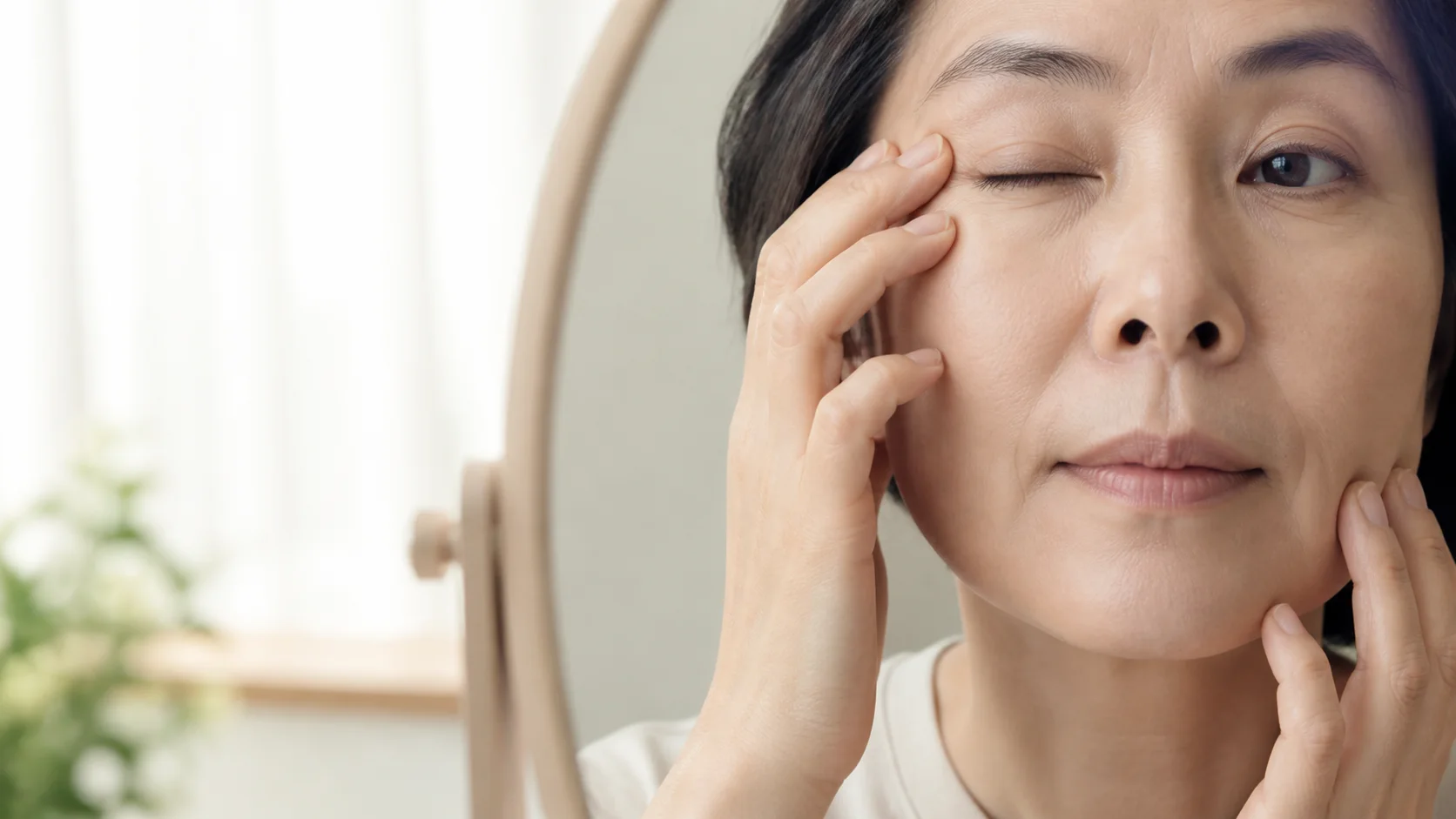
Facial palsy: Read in the order of your curiosity
Before grouping symptoms under a single name
Recovery of eye closure, mouth movement, and pronunciation are viewed separately in facial palsy
Facial palsyoccurs when movement on one side of the face suddenly weakens, causing the eyebrows, eyelids, and corners of the mouth to droop. It may manifest as difficulty smiling or frowning, and the inability to close one eye completely. This may be accompanied by drooling, difficulty speaking, eating or drinking, decreased sense of taste, dry eyes or excessive tearing, pain behind the ear or jaw, and hypersensitivity to sound. However, if new facial drooping is accompanied by weakness or numbness in one arm or leg, slurred speech or difficulty understanding language, changes in vision or balance, or a sudden severe headache, it should be treated as a stroke and 119 must be called immediately. Even if only the face appears weak, do not diagnose yourself with Bell's palsy; seek an evaluation on the same day, and if the eye does not close, begin corneal protection immediately.
Distinguishing symptoms from emergencies
Priorities are determined by neurological symptoms other than the face, eye closure, and ear symptoms
Forehead movement alone does not rule out a stroke.
| Observed Changes | Accompanying Symptoms | Next action |
|---|---|---|
| Facial drooping + arm weakness / slurred speech | Vision / balance / consciousness / severe headache | Immediately call 119 or go to the emergency room |
| Rapid weakness across one side of the face | Onset time / inability to close eye | Neurological or ENT evaluation on the same day |
| Inability to close eye / dryness / stinging sensation | Redness / pain / vision changes | Protect the eye immediately and follow ophthalmology guidelines |
| Ear pain / blisters / hearing loss / dizziness | Rash around the ear and balance issues | Prompt ENT or neurological medical evaluation |
| Drooling, changes in taste, difficulty eating | Swallowing, aspiration, fluid intake | Safe eating and medical evaluation |
| Bilateral, recurrent, or gradual progression | Other neurological or systemic causes | Professional evaluation |
When to seek medical attention first
Symptoms of facial palsy that require immediate medical evaluation without waiting
The following are used to first check for stroke, corneal damage, and other neurological emergencies.
- Sudden facial drooping accompanied by weakness or numbness in one arm or leg
- Slurred speech, difficulty understanding, or changes in vision, gait, balance, or consciousness
- Sudden severe headache without a known cause, accompanied by repeated vomiting or seizures
- Inability to close the eye accompanied by severe pain, redness, light sensitivity, or decreased vision
- Difficulty swallowing or breathing, or rapidly progressing weakness in both sides of the face, arms, or legs
Ensure initial treatment is not missed and maintain a long-term perspective on the recovery period
If the recovery speeds of the eyes, mouth, and facial expressions differ after the acute phase evaluation of facial palsy
For new facial asymmetry, it is necessary to first distinguish between stroke and causes related to the ears or nerves and receive prompt medical evaluation. During the subsequent recovery period, track the recovery speed of eye closure, eating, pronunciation, and facial expressions, along with pain, fatigue, and sleep.
Sudden facial drooping first requires screening for acute conditions
If accompanied by arm weakness, slurred speech, or changes in gait, emergency evaluation takes priority over herbal medicine consultation.
Do not group the entire face into a single score
Separately record eye closure, drinking water, pronunciation, smiling, and forehead movement.
Observe tightness and abnormal accompanying movements during the recovery period
Observe over time whether the mouth moves when closing the eyes, or if pulling sensations or spasms occur during facial expressions.
Treatment GoalWithout delaying acute treatment, we aim to restore actual functions, such as eye protection, eating, pronunciation, and facial expressions, and reduce the burden of residual movements.
Consult about the facial nerve palsy recovery period
New facial asymmetry requires prompt medical evaluation, while for intermittent twitching, providing a video showing the entire face is helpful.
Photos show daily life scenes where symptoms appear, and explanatory diagrams simplify how reactions in the ears, balance, nerves, and the entire body are connected. They do not represent an individual's diagnostic or treatment results.If you have had these experiences
If the recovery speeds of the eyes, mouth, and facial expressions differ after an acute-phase evaluation of facial nerve palsy
Some patients have received acute-phase treatment but find that the recovery speeds of closing the eyes, drinking water, pronunciation, and facial expressions vary, leading to concerns about lasting aftereffects. We clearly distinguish between acute-phase and recovery-phase goals.
Those whose eyes do not close completely even after evaluation and treatment of sudden paralysis
When the recovery speed is slow following acute-phase cause evaluation and necessary treatment
Those whose recovery is slow for only some functions among mouth shape, pronunciation, eating, and facial expressions
When differences in the recovery of the eyes, mouth, and facial expressions persist, or when facial pulling and pain remain for a long time
Those who experience facial pulling or a feeling of the eyes and mouth moving together during recovery
When facial movement noticeably worsens during times of fatigue or lack of sleep
This is how we approach the medical evaluation
Facial nerve palsy: the sequence of symptom onset and symptoms to check first
New facial asymmetry requires an initial medical evaluation to distinguish between stroke and causes related to the ear or nerves. During the subsequent recovery phase, we track the recovery speed of closing the eyes, eating, pronunciation, and facial expressions, alongside pain, fatigue, and sleep.
Sudden facial drooping first requires screening for acute causes
If accompanied by arm weakness, slurred speech, or changes in gait, emergency evaluation takes priority over a Korean herbal medicine consultation.
The entire face is not grouped into a single score
Closing the eyes, drinking water, pronunciation, smiling, and forehead movement are each recorded separately.
We monitor pulling sensations and abnormal associated movements during the recovery phase
Observe over time whether the mouth moves when closing the eyes, or if pulling sensations or spasms occur during facial expressions.
Reasons why it may not heal easily
On days when facial nerve palsy persists, the bodily conditions that influence movement
For new facial asymmetry, it is essential to first distinguish between stroke and ear or nerve-related causes and receive medical evaluation early. During the subsequent recovery phase, we track the recovery speed of eye closure, eating, pronunciation, and facial expressions, along with pain, fatigue, and sleep.
Separately observe closing eyes, drinking water, and pronunciation
Rather than a single photo of a neutral expression, record how eye protection, mouth movements, chewing, and speaking change by date.
Distinguish between micro-tremors and full-face contractions
Use short videos and duration to distinguish whether only the eyelid is fluttering or if the eye closes and pulls toward the cheek and mouth.
Separate worsening after fatigue from new neurological symptoms
After lack of sleep, Tremorrecord the symptoms, but sudden arm weakness, speech changes, or gait abnormalities must be evaluated separately and immediately.

Placing the test name, date of administration, first symptom, accompanying symptoms, and recovery time on the same timeline allows for a more continuous flow of questions during multiple medical evaluations.
Conceptual reference · NICE: Shared decision making · AHRQ: Questions Are the AnswerTest and lifestyle records
How to place test results and lifestyle records on a single timeline
Please provide information on your acute phase treatment schedule and the current function of your eyes, mouth, and facial expressions.
Acute causes and eye protection are checked first
Emergency and early treatment, as well as corneal protection, are prioritized.
Recovery of eyes, mouth, and facial expressions are distinguished
We identify the most delayed function and any accompanying pain.
Adjustments are made while reviewing weekly functional videos
We compare actual changes in eye closure, drinking water, pronunciation, and smiling.
Herbal medicine pattern identification for facial nerve palsy
After the acute phase evaluation of facial nerve palsy, if the recovery speeds of the eyes, mouth, and facial expressions differ, Korean herbal medicine treatment distinguishes between four patterns
Acute treatment for facial nerve palsy is prioritized, and the state of eye protection is verified. Subsequently, changes in eye closure, mouth movement, pain, fatigue, and Facial synkinesisare monitored to determine the Korean herbal medicine treatment for the recovery phase.
When swelling, a feeling of heaviness, and decreased movement are prominent
We check if dull facial movement is accompanied by heaviness around the ears or dizziness. We ask about phlegm, bloating, overall body heaviness, and whether symptoms started after a cold. While maintaining initial cause-based treatment, we help the foundation of recovery by resolving phlegm-fluid (dam-eum) and blockages in the meridians.
When recovery is slow and fatigue occurs easily while speaking or eating
We observe if the strength of the eyes and mouth decreases further after slight use. We check food intake, paleness, shallow sleep, and systemic fatigue. We supplement Qi and Blood to support the strength required for repeated facial muscle function.
When tightness, pain, and stiff movement remain
We check for fixed pain behind the ears, jaw, or cheeks, and tightness during facial expressions. We ask about neck and shoulder stiffness, headaches, and a feeling of decreased circulation. We reduce pain and stiffness to expand the range of facial expression exercises.
Changes to monitor during treatment
Daily activities you wish to regain before facial nerve palsy
Without delaying acute treatment, we focus on the actual functional recovery of eye protection, eating, pronunciation, and facial expressions, while reducing the burden of residual movements.
Time of onset, emergency/neurological/otolaryngological evaluation, and date of initial treatment
In the first consultation, these criteria serve as the current starting point. We aim to restore actual functions, such as eye protection, eating, pronunciation, and facial expressions, and reduce the burden of sequelae movements without delaying acute treatment.
Weekly recording of eye closing, eating, pronunciation, and smiling via photos and videos
We adjust treatment priorities by comparing changes over several days rather than relying on a single good day. We aim to restore actual functions, such as eye protection, eating, pronunciation, and facial expressions, and reduce the burden of sequelae movements without delaying acute treatment.
Pain behind the ear, facial tightness, spasms, sleep, and fatigue
The direction of subsequent medical evaluations is determined based on the lifestyle the patient wishes to return to. We aim to restore actual functions, such as eye protection, eating, pronunciation, and facial expressions, and reduce the burden of sequelae movements without delaying acute treatment.
At the crossroads of test results and recovery speed
If the recovery speeds of the eyes, mouth, and facial expressions differ after the acute phase evaluation of facial nerve palsy, Korean herbal medicine treatment distinguishes between four categories
Acute treatment for facial nerve palsy is prioritized, and the state of eye protection is verified. Subsequently, recovery-phase Korean herbal medicine treatment is determined by observing changes in eye closing, mouth movement, pain, fatigue, and facial synkinesis.
Pattern identification is not about grouping various symptoms into a single autonomic nerve issue. While maintaining the causes to be verified in ear, balance, nerve, and heart evaluations, we identify the axis where dizziness, tinnitus, headache, facial movement, sleep, digestion, body heat, and heart rate actually change together to adjust the priority of the prescription.
When swelling, a heavy feeling, and decreased movement are prominent
- Changes observed in the head, ears, and face
- We check if facial movements are sluggish and if there is accompanying heaviness around the ears or dizziness.
- Changes observed throughout the body
- We ask about phlegm, bloating, body heaviness, and whether symptoms started after a cold.
- Prescription Priority
- While maintaining treatment for the initial cause, we help build a foundation for recovery by resolving phlegm-fluid (Dameum) and blockages in the meridians.
When recovery is slow and the patient tires easily when speaking or eating
- Changes observed in the head, ears, and face
- We observe if the strength in the eyes and mouth decreases further after slight use.
- Changes observed throughout the body
- We check food intake, paleness, shallow sleep, and general fatigue.
- Prescription Priority
- We supplement Qi and Blood to support the strength needed for repeated facial muscle function.
When tightness, pain, and stiff movements remain
- Changes observed in the head, ears, and face
- We check for fixed pain behind the ears, jaw, and cheeks, as well as tightness during facial expressions.
- Changes observed throughout the body
- We ask about neck and shoulder stiffness, headaches, and a feeling of poor circulation.
- Prescription Priority
- We reduce pain and stiff movements to expand the range of facial expression exercises.
When tremors or tightness worsen after fatigue and heat sensations
- Changes observed in the head, ears, and face
- Check if the recovering area becomes more shaky or stiff after a lack of sleep.
- Changes observed throughout the body
- Check for pulsating sensations, heat rising to the upper body, coldness in the hands and feet, and anxiety.
- Prescription Priority
- Regulate hyperarousal and fluctuations in body heat that hinder recovery.
Order of Prescription Adjustment
- First, check for acute causes and eye protection
Prioritize emergency/initial treatment and corneal protection.
- Distinguish the recovery of the eyes, mouth, and facial expressions
Identify the function with the slowest recovery and any accompanying pain.
- Adjust treatment while reviewing weekly functional videos
Compare actual changes in closing eyes, drinking water, pronunciation, and smiling.
- Change one priority at a time and verify through daily functioning
Rather than comparing only the shape of the face, observe how much fatigue after closing eyes, drinking water, pronunciation, and facial expressions has recovered.
Why consider Korean herbal medicine treatment now?
- When recovery speed is slow after acute cause evaluation and necessary treatment
- When there are differences in the recovery of the eyes, mouth, and expressions, or when facial tightness and pain persist
- When facial movement noticeably worsens during fatigue or lack of sleep
What is verified in Korean herbal medicine treatment for this condition
- Onset time and dates of emergency, neurological, and otolaryngology evaluations and initial treatment
- Record closing eyes, eating, pronunciation, and smiling through weekly photos and videos
- Pain behind the ear, facial tightness, spasms, sleep, and fatigue
First, rule out stroke and other neurological emergencies
Check the onset time and changes in arms, speech, vision, gait, and consciousness for immediate response.
Examine the cornea, ear pain, blisters, and hearing
Check eye closure, pain, vision, and ear symptoms to prioritize ophthalmology, otolaryngology, and neurology evaluations.
We track the recovery of facial function alongside acute treatment
While continuing medication, eye protection, and rehabilitation, herbal medicine treatment also tracks discomfort with facial expressions, eating, and speaking, as well as nighttime sleep, facial tension, and the speed of recovery.
Things to prepare before the consultationPlease prepare records of the onset time, changes in the face, arms, speech, vision, and balance, as well as eye closure, pain, vision, ear pain, blisters, hearing, and the start date of treatment.
If new paralysis, slurred speech, gait disturbance, sudden hearing loss, thunderclap headache, chest pain, dyspnea, or fainting occurs, a prompt medical evaluation is required even if previous tests were normal. After ruling out these exceptions, we focus on herbal medicine treatment for chronic, recurrent, and recovery-phase symptoms.
Consult about the facial nerve palsy recovery periodDizziness, Ear, Head, and Face Glossary
Additional information to know about facial nerve palsy
You can check simple definitions before proceeding to detailed explanations.Frequently Asked Questions
Frequently Asked Questions about facial nerve palsy
What are the symptoms of Bell's palsy?
Rapid weakness of one side of the entire face, drooping of the eyebrow and corner of the mouth, difficulty closing the eye, drooling, changes in taste, and pain behind the ear may occur.
Can I distinguish between facial nerve palsy and a stroke at home?
It is not possible to distinguish them completely. If facial drooping occurs suddenly along with arm weakness, slurred speech, or changes in vision and balance, call 119 immediately.
Why is it urgent if the eye does not close?
The cornea can dry out and become scratched, which may damage vision. Start eye protection immediately; if you experience pain, redness, or changes in vision, seek an ophthalmology evaluation on the same day.
Can I start with herbal medicine for facial nerve palsy?
For new facial nerve palsy, differentiating it from a stroke and starting early medication and eye protection come first. Herbal medicine treatment does not replace or delay these steps.
Do foods that are good for facial nerve palsy speed up nerve recovery?
There is no standard evidence that specific foods speed up the recovery of the facial nerve. If chewing or swallowing is uncomfortable, use soft foods and safe consumption methods; however, if it is Bell's palsy, do not delay early steroid treatment and eye protection. If arm or leg weakness or slurred speech occurs along with facial drooping, a stroke evaluation takes priority over dietary management.
What is the most common cause of facial nerve palsy?
Bell's palsy is a common peripheral cause, but the exact initiating cause is usually unknown. It is researched as a process that may involve inflammation and edema of the facial nerve and reactions to latent viruses.
Can shingles also cause facial nerve palsy?
Yes. If the varicella-zoster virus affects the facial nerve, Ramsay Hunt syndrome can occur. If severe ear pain, blisters, hearing loss, or dizziness are present, seek medical evaluation immediately.
What should I record when visiting for herbal medicine treatment for facial nerve palsy?
Please write down the exact time the facial paralysis began, difficulties with closing the eye, drinking water, or speaking, and the start date of acute treatment. It is helpful to bring photos of your facial expression from the beginning and the present, taken from the same angle.
Does herbal medicine treatment for facial nerve palsy replace existing tests or treatments?
Sudden paralysis, slurred speech, vision changes, or severe headaches that start like a thunderclap require a neurological evaluation before Korean herbal medicine treatment. Once acute causes are ruled out, we determine goals for concurrent treatment if pain, spasms, or fatigue remain.
Should I bring my records again even if the facial nerve palsy test results were normal?
Please let us know if your eyes do not close properly after acute phase testing, if the recovery of facial expressions has stalled, or if new synkinesis (involuntary facial movements) has developed. Hearing, pain, and other neurological symptoms will be re-evaluated.
Evidence and Update Information
This content was compiled by Korean medicine doctor Choi Yeon-seung based on the official professional materials and disease-specific clinical data below, and was updated on 2026-08-26.
- NINDS: Bell’s PalsyInformation on symptoms, evaluation, and recovery of peripheral facial nerve palsy
- CDC: Signs and Symptoms of StrokeEmergency pathways for sudden weakness in the face or arms and changes in speech or walking
- AAO-HNSF: Clinical Practice Guideline: Bell’s PalsyInitial evaluation, eye protection, treatment, and re-evaluation criteria for facial nerve palsy
- NHS: Bell’s palsyInitial treatment timing and eye protection guidance for acute unilateral facial nerve palsy
- American Academy of Ophthalmology: Eyelid twitchDistinguishing between fatigue-induced eyelid twitching and spasms where the eye closes or spreads to the face
- NINDS: Hemifacial SpasmTypical range, neurological evaluation, and treatment overview of hemifacial spasm
- Mayo Clinic: Bell’s palsyPatient guidance on distinguishing facial nerve palsy symptoms from other causes such as stroke