Facial Nerve Palsy Recovery
Why the Goals of Treatment Differ Between the Acute Phase and Sequelae of Facial Nerve Palsy
We explain when to combine Korean herbal medicine and acupuncture treatment without missing acute phase treatment, and how to restore the quality of movement, such as closing the eyes, eating, and pronunciation, rather than just the extent of facial expression during the recovery phase.
Facial palsyconsists of different stages: the first few days focus on cause evaluation, medication, and eye protection, while the following weeks to months focus on recovering movement and treating pulling sensations and synkinesis.
First, we determine whether it is Bell's palsy or caused by another factor.
Bell's palsy is a common type of peripheral facial nerve palsy where the forehead, eye, and mouth on one side weaken together. However, there are other causes that require different treatments, such as stroke, accompanied by arm weakness, slurred speech, and gait abnormalities, or Ramsay Hunt syndrome, which involves ear pain, blisters, hearing changes, and dizziness.
Do not attempt to differentiate the cause at home based solely on the fact that the face has drooped. You must confirm the onset time and accompanying symptoms and receive the necessary neurological and otolaryngological evaluations to avoid missing the critical window for acute phase treatment.
Initial treatment and eye protection are critical during the first 72 hours.
Since medication for Bell's palsy is more effective when started early, please seek prompt medical evaluation as soon as possible. If the eye cannot close completely, tears dry up easily and the cornea may be damaged; therefore, measures suited to your current condition, such as artificial tears, ointments, or eye protection during sleep, are necessary.
Even if you plan to receive Korean medicine treatment, there is no reason to wait until this window passes. First, proceed with necessary medication and eye protection, and then we will establish a plan to combine Korean herbal medicine and acupuncture after checking your general health and current medications.
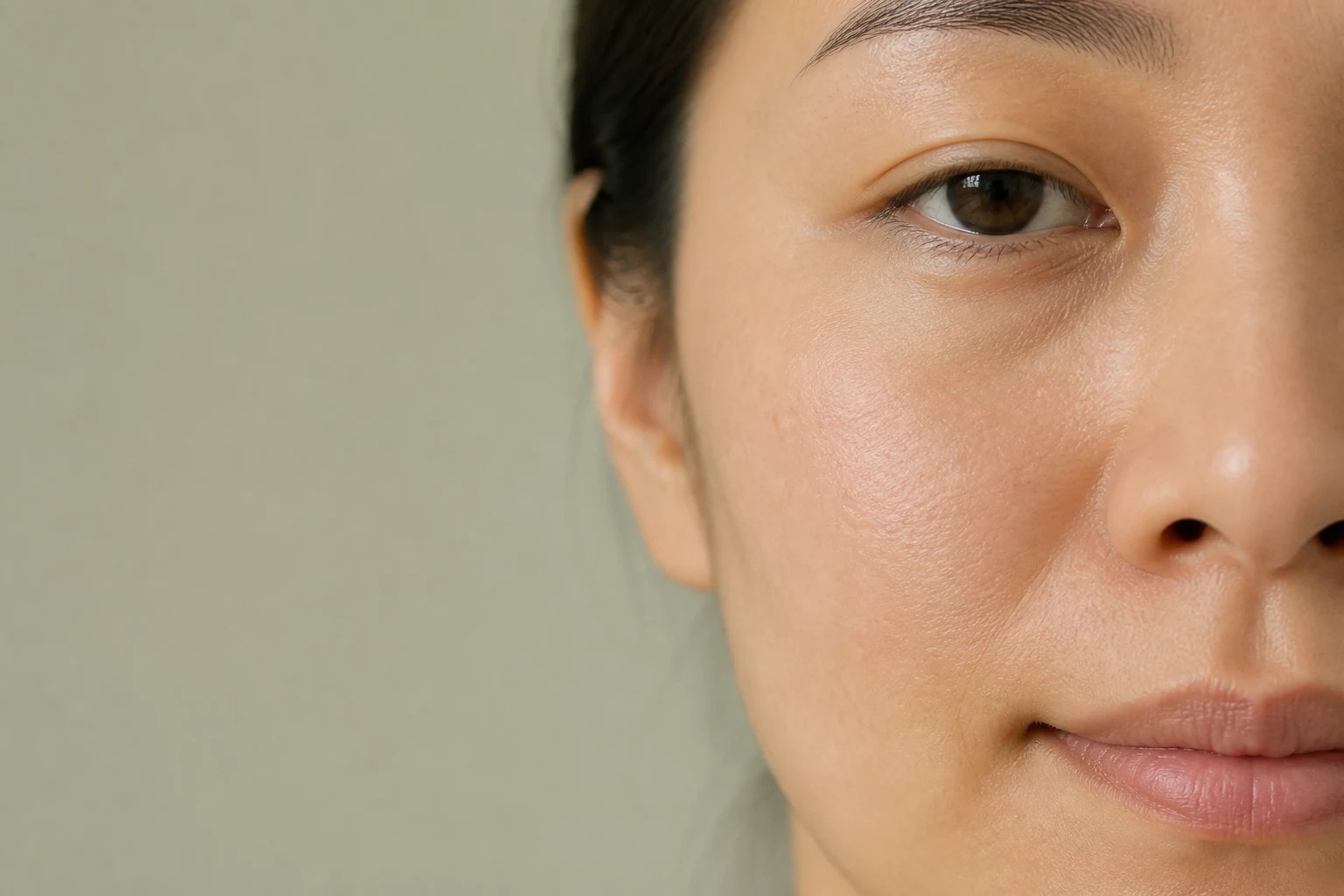
New facial asymmetry requires prompt medical evaluation, while for intermittent twitching, providing a video showing the entire face is helpful.
Korean medicine treatment during the acute phase prepares the body's condition to begin recovering movement.
Immediately after onset, sleep and appetite often suffer due to pain behind the ear, facial sensory discomfort, dry eyes, and difficulties with eating and pronunciation. At Baekrokdam, we do not look only at the paralyzed face; we simultaneously address pain, sleep, digestion, and decreased energy to maintain the lifestyle foundation necessary for recovery.
Acupuncture is used to regulate tension around the face and neck, with the intensity of stimulation determined based on remaining movement. Korean herbal medicine treatment varies depending on whether pain and swelling are prominent after onset, whether recovery is slow due to low energy and poor appetite, or whether dizziness and ear symptoms overlap; we also review your current medications to ensure there are no conflicts with initial drug therapy.
During the recovery phase, we focus on the quality of facial expressions rather than the extent of movement.
When the eye begins to close slightly and the corner of the mouth starts to lift, it is a sign that recovery is progressing, but we do not obsess over simply increasing the range of movement on both sides. It is more important for actual life recovery whether water does not leak when drinking, whether pronunciation and chewing become easier, and whether the eyes can close smoothly.
During the process of nerve recovery, synkinesis may occur, such as the eye closing when smiling or the corner of the mouth pulling when closing the eye, and facial stiffness or pain may remain. At this stage, treatment must shift from strong stimulation and excessive facial exercises to reducing abnormal simultaneous contractions and restoring natural movement.
Treatment for aftereffects becomes more detailed, focusing on remaining tightness and synkinesis.
Even if the initial paralysis has improved significantly, there are still areas to treat if expressions look awkward in photos, the corner of the mouth pulls during long conversations, or if tearing and facial pain persist. Continuing the same intensity of stimulation used in the acute phase simply because recovery feels slow may not be appropriate.
At Baekrokdam, we use Korean herbal medicine to help with long-term pain, fatigue, tension, and general recovery, while acupuncture is applied by distinguishing between areas of excessive tightness and areas of weak remaining movement. If necessary, we coordinate roles with other options such as facial rehabilitation and botulinum toxin treatment.
Recovery is monitored by the sequence of functional improvements in daily life rather than daily left-right symmetry.
Closing the eyes and dryness, drinking water and eating, pronunciation, a light smile, and full facial expressions may not return at the same speed. While comparing a few specific expressions weekly, rather than being swayed by small daily differences, we categorize functions that have improved first and those that take longer to recover.
We do not rely solely on observation if eye pain or vision changes occur, if new neurological symptoms are added, or if a recovering face suddenly weakens again. Otherwise, during the recovery phase, we continue treatment with the dual goals of increasing the range of expression and ensuring movement is natural and without tightness.
During the acute phase of facial paralysis, the focus is on cause evaluation, initial medication, eye protection, and concurrent Korean medicine treatment. The recovery phase focuses on restoring natural facial expressions, eye closure, eating, and pronunciation. The sequelae stage focuses on treatment to reduce pulling sensations and synkinesis.
Evidence and Update Information
This content was organized by Korean medicine doctor Choi Yeon-seung based on the materials below and was updated on 2026-08-31.
- NINDS: Bell’s PalsyInformation on symptoms, evaluation, and recovery of peripheral facial nerve palsy
- CDC: Signs and Symptoms of StrokeEmergency pathways for sudden weakness in the face or arms and changes in speech or walking
- AAO-HNSF: Clinical Practice Guideline: Bell’s PalsyInitial evaluation, eye protection, treatment, and re-evaluation criteria for facial nerve palsy
- NHS: Bell’s palsyInitial treatment timing and eye protection guidance for acute unilateral facial nerve palsy
- American Academy of Ophthalmology: Eyelid twitchDistinguishing between fatigue-induced eyelid twitching and spasms where the eye closes or spreads to the face
- NINDS: Hemifacial SpasmTypical range, neurological evaluation, and treatment overview of hemifacial spasm
- Mayo Clinic: Bell’s palsyPatient guidance on distinguishing facial nerve palsy symptoms from other causes such as stroke