
BPPV: Read in order of your curiosity
Before grouping symptoms under a single name
BPPV is characterized by short bursts of dizziness when changing positions
BPPVTypical symptoms involve sudden, short-lived vertigo, the feeling that you or the room is spinning, immediately after assuming a specific head position. This often occurs when turning over, lying down, or getting up in bed, or when looking up or bending over, and tends to stop when the position is reversed. Nausea and an unstable feeling as if you might fall may overlap, but new hearing loss or a feeling of fullness in the ear are not typical. If dizziness persists even while still, or if one-sided weakness, slurred speech, double vision, or inability to walk occurs, do not wait for BPPV to resolve and seek an immediate evaluation.
Distinguishing symptom patterns
Distinguishing typical positional vertigo from symptoms requiring prompt medical evaluation
We check the triggering positions, duration patterns, and accompanying symptoms together.
| Daily Life Scenario | Symptom Interpretation | Next action |
|---|---|---|
| Sudden spinning upon turning over | Possibility of typical positional trigger | Record direction and duration |
| Short rotation when leaning over or looking up | Possibility of otolith displacement | Fall prevention and positional testing |
| Accompanied by new hearing loss or ear fullness | Possibility of other inner ear diseases | Otolaryngology evaluation |
| Persistent dizziness, paralysis, speech, or vision changes | Possibility of neurological emergency | Immediate emergency evaluation |
When to seek medical attention first
Symptoms that require prompt medical evaluation over BPPV symptom consultation
In the following cases, causes related to the brain or other inner ear issues are checked first.
- Sudden weakness or numbness in one side of the face, arm, or leg
- Slurred speech, double vision, or changes in vision
- Severe dizziness that persists even while still, making it difficult to walk
- Accompanied by new hearing loss, severe headache, or changes in consciousness
For those who still feel unstable after a canalith repositioning procedure
If short sensations of rotation have decreased but you still fear turning over or lifting your head
For BPPV, we first perform a positional test Canalith repositioning procedureto confirm the position and direction of the displaced otoliths. If residual dizziness, neck stiffness, or motion-sickness-like feelings remain, or if you avoid movement due to repeated recurrence management, we separately examine systemic conditions that may delay recovery.
We distinguish between the time for a repositioning procedure and the recovery period
If short, intense rotational attacks remain in specific positions, a re-evaluation is performed first. We also distinguish whether the rotation has stopped and only instability remains.
We check for restricted movement caused by fear of recurrence
We examine whether habits such as sleeping only on one side in bed or avoiding lifting the head prolong neck tension and imbalance.
We monitor the recovery time for nausea and lethargy following an attack
For those who experience nausea or a loss of strength all day after a few seconds of vertigo, the acute attack and systemic recovery are recorded separately.
Treatment GoalWhile ensuring that rotational attacks requiring re-evaluation are not missed, we aim to reduce residual dizziness and recover the range of natural head and body movement.
Consult about BPPV recovery period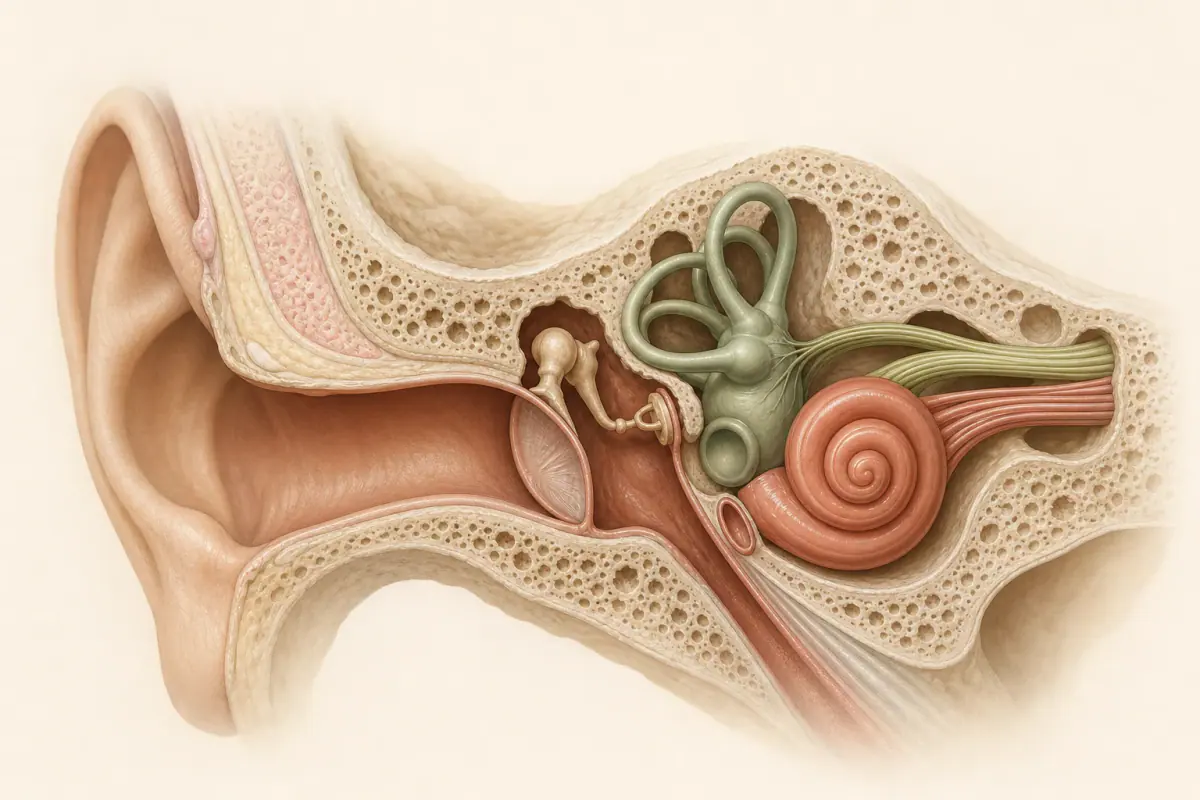
Although the auditory and balance organs are located close to each other, tinnitus, muffled ears, and dizziness must be evaluated through a combination of ear examinations and hearing and balance assessments.
Photos show daily life scenes where symptoms appear, and explanatory diagrams simplify how reactions in the ears, balance, nerves, and the entire body are connected. They do not represent an individual's diagnostic or treatment results.If you have had these experiences
If short bursts of vertigo have decreased but you still fear rolling over or lifting your head
If the vertigo has shortened after the canalith repositioning procedure, but you still fear rolling over or lifting your head, Residual Dizziness you may end up keeping your body stiff. We must distinguish between recurrence and the recovery period before addressing the remaining discomfort.
Those who have undergone the repositioning procedure multiple times and feel anxious that the vertigo will return whenever they change positions
When a floating sensation persists for several weeks even though the vertigo has decreased after the canalith repositioning procedure
Those who find the all-day floating sensation and nausea more difficult to handle than the spinning attacks
When repeated BPPV leads to excessive avoidance of positions used in bed, at the hair salon, or at the dentist
Those whose range of outings, driving, or exercise has continued to narrow due to reduced movement
When nausea, neck tension, insomnia, and a sense of exhaustion persist long after an attack
This is how we approach the medical evaluation
BPPV: The sequence of symptom onset and symptoms to check first
For BPPV, we first identify the position and direction of the otoliths through positional testing and the canalith repositioning procedure. If residual dizziness, neck stiffness, or motion-sickness-like feelings remain, or if you avoid movement due to repeated recurrence, we separately examine systemic conditions that delay recovery.
We do not confuse the timing for the repositioning procedure with the recovery period
If short, intense spinning attacks remain in specific positions, we perform a re-evaluation first. We also distinguish whether the vertigo has stopped and only a swaying sensation remains.
We check for movement stiffness caused by the fear of recurrence
We examine whether habits such as sleeping only on one side of the bed or avoiding lifting the head prolong neck tension and imbalance.
We observe the recovery time for nausea and exhaustion following an attack
For those who experience nausea or a loss of strength all day after a few seconds of vertigo, the acute attack and systemic recovery are recorded separately.
Reasons why it may not heal easily
When BPPV lingers: Physical conditions that affect movement
BPPV is first addressed by identifying the location and direction of the displaced otoconia through positional testing and a canalith repositioning procedure. If residual dizziness, neck stiffness, or motion-sickness-like sensations persist, or if repeated recurrences lead to the avoidance of movement, we examine the overall systemic conditions that may be slowing recovery.
Observing the sequence of tinnitus, fullness, and hearing changes
Write in a single line whether they are precursors to dizziness, start simultaneously, or which specific symptoms remain after the attack ends.
Always indicate whether symptoms are unilateral or bilateral
Days when the direction of ear symptoms changes or hearing suddenly alters are evaluated separately from previous chronic symptoms.
Observing the extent of daily life recovery between attacks
Record the actual reduced range of activities, such as phone calls, meetings, sleep, walking, and driving, and the number of days it took to recover.

Placing the test name, date of administration, first symptom, accompanying symptoms, and recovery time on the same timeline allows for a more continuous flow of questions during multiple medical evaluations.
Conceptual reference · NICE: Shared decision making · AHRQ: Questions Are the AnswerTest and lifestyle records
How to place test results and lifestyle records on a single timeline
Please let us know how your sensations have changed before and after the repositioning procedure, and which movements you are still avoiding.
First, we check for remaining rotational vertigo attacks
We distinguish whether a re-evaluation of the repositioning procedure is necessary or if you are in the residual dizziness stage.
Distinguishing between movement avoidance and systemic recovery
We identify the primary concern among neck tension, visual sensitivity, nausea, and fatigue.
Evaluating through head movement and the range of outdoor activities
We track whether rolling over, looking up, walking, and using public transportation are actually becoming easier.
Herbal medicine pattern identification for BPPV
If short bursts of vertigo have decreased but you still fear rolling over or lifting your head, herbal medicine treatment categorizes this into four patterns
We distinguish between the short rotational vertigo of BPPV and the residual dizziness remaining after a canalith repositioning procedure. We determine the recovery-phase herbal medicine treatment by observing how positional/visual stimuli, nausea, and walking difficulties persist.
When motion sickness and a heavy feeling remain after the repositioning procedure
We check if the rotational vertigo has decreased but you still feel floating, nauseous, or experience prolonged discomfort after moving your head. We ask if this coincides with days of bloating, phlegm, edema, or a heavy body. The goal is to reduce the recovery time for residual dizziness and nausea.
When you lack energy and feel more lightheaded upon standing
Beyond positional vertigo, we check if you experience darkness when standing or difficulty standing for long periods. We check food intake, sleep, fatigue, and coldness in the hands and feet. We reinforce the recovery power for those who tire easily after balance stimulation.
When the neck and shoulders are stiff due to fear of recurrence
We check if avoiding head movement has led to increased neck pain and discomfort when shifting your gaze. We ask about anxiety, shallow breathing, teeth-clenching habits, and sleeping posture. We aim to reduce stiffness and avoidance to allow for comfortable rehabilitative movement.
Changes to monitor during treatment
The quality of life you wish to regain beyond BPPV
While ensuring that rotational vertigo attacks requiring re-evaluation are not missed, we aim to reduce residual dizziness and restore the range of natural head and body movement.
The exact positions and duration that trigger rotational vertigo
In the first consultation, these criteria serve as the current starting point. While ensuring that rotational vertigo attacks requiring re-evaluation are not missed, we aim to reduce residual dizziness and restore the range of natural head and body movement.
Date and direction of the repositioning procedure and the sensations remaining afterward
We adjust treatment priorities by comparing changes over several days rather than a single good day. While ensuring that rotational vertigo attacks requiring re-evaluation are not missed, we aim to reduce residual dizziness and restore the range of natural head and body movement.
Avoiding head movement, neck tension, sleep posture, and next-day recovery
The direction of subsequent treatment is determined based on the lifestyle the patient wishes to return to. While ensuring that rotational vertigo attacks requiring re-evaluation are not missed, we aim to reduce residual dizziness and restore the range of natural head and body movement.
At the crossroads of test results and recovery speed
If short bursts of vertigo have decreased but you still fear turning over or lifting your head, herbal medicine treatment distinguishes between four categories
We distinguish between the short rotational vertigo of BPPV and the residual dizziness remaining after a canalith repositioning procedure. The recovery-phase herbal medicine treatment is determined by observing how postural/visual stimuli, nausea, and walking discomfort persist.
Pattern identification is not about grouping various symptoms into a single autonomic nerve issue. While maintaining the causes to be verified in ear, balance, nerve, and heart evaluations, we identify the axis where dizziness, tinnitus, headache, facial movement, sleep, digestion, body heat, and heart rate actually change together to adjust the priority of the prescription.
When motion sickness and a heavy sensation remain after the repositioning procedure
- Changes observed in the head, ears, and face
- We check if the rotational sensation has decreased but you still feel floating, nauseous, or experience prolonged discomfort after moving your head.
- Changes observed throughout the body
- We ask if these overlap with days when you feel bloated, have phlegm, edema, or a heavy body.
- Prescription Priority
- The focus is on reducing the recovery time for residual dizziness and nausea.
When you lack energy and feel more lightheaded when standing up
- Changes observed in the head, ears, and face
- Beyond postural vertigo, we check if this overlaps with darkness in vision when standing up or difficulty standing for long periods.
- Changes observed throughout the body
- We check food intake, sleep, fatigue, and coldness in the hands and feet.
- Prescription Priority
- We reinforce the recovery power for those who tire easily after balance stimulation.
When the neck and shoulders are stiff due to fear of recurrence
- Changes observed in the head, ears, and face
- We check if neck pain and discomfort during visual transitions increase due to attempts to avoid moving the head.
- Changes observed throughout the body
- We ask about anxiety, shallow breathing, teeth-clenching habits, and sleep posture.
- Prescription Priority
- We aim to reduce stiffness and avoidance to allow rehabilitation movements to continue comfortably.
When cold sweats and heat sensations alternate during an attack
- Changes observed in the head, ears, and face
- We observe how long facial heat, coldness in the hands and feet, and sweating persist after a short burst of rotational vertigo.
- Changes observed throughout the body
- We check if reactions increase following lack of sleep or digestive stagnation.
- Prescription Priority
- We regulate the slow subsidence of heat/cold sensations and autonomic responses after an attack.
Order of Prescription Adjustment
- Remaining rotational vertigo attacks are checked first
Distinguish whether a re-evaluation of the repositioning procedure is necessary or if the patient is in the residual dizziness stage.
- Distinguish between movement avoidance and systemic recovery
Determine the primary symptom among neck tension, visual sensitivity, nausea, and lethargy.
- Verify through head movement and the range of outdoor activities
Track whether rolling over, looking up, walking, and using public transportation actually become more comfortable.
- Change one priority at a time and verify through daily functioning
Observe not only vertigo when lying down but also whether walking, turning the head, and going outdoors have become easier, and if the time it takes for residual dizziness to resolve has decreased.
Why consider Korean herbal medicine treatment now?
- When the sensation of spinning has decreased after a canalith repositioning procedure, but a floating feeling persists for several weeks
- When BPPV recurs, leading to excessive avoidance of positions used during sleep, at the hair salon, or at the dentist
- When nausea, neck tension, insomnia, and lethargy persist for a long time after an attack
What is verified in Korean herbal medicine treatment for this condition
- The exact position and duration that trigger the spinning sensation
- The date and direction of the repositioning procedure and any remaining sensations afterward
- Avoidance of head movement, neck tension, sleeping posture, and recovery the following day
First, examine neurological and hearing changes
If there is one-sided weakness, slurred speech, double vision, or new hearing loss, connect the patient to standard medical care immediately.
Align the triggering position and duration
Observe the duration and direction of the spinning sensation immediately after rolling over, leaning forward, or tilting the head back.
Consult on remaining discomfort after canalith repositioning
Determine the scope of herbal medicine consultation for remaining chronic dizziness without replacing positional tests and canalith repositioning procedures.
Things to prepare before the consultationPlease prepare information regarding the triggering position and direction, duration of spinning, nausea or falls, and the presence of hearing or neurological symptoms.
If new paralysis, slurred speech, gait disturbance, sudden hearing loss, thunderclap headache, chest pain, dyspnea, or fainting occurs, a prompt medical evaluation is required even if previous tests were normal. After ruling out these exceptions, we focus on herbal medicine treatment for chronic, recurrent, and recovery-phase symptoms.
Consult on BPPV recovery periodDizziness, Ear, Head, and Face Glossary
Additional information to know regarding BPPV
You can check simple definitions before proceeding to detailed explanations.Frequently Asked Questions
Frequently Asked Questions about BPPV
In which positions does BPPV typically occur?
Common triggering positions include rolling over in bed, lying down and getting up, looking upward, or bending over.
How long does the dizziness last?
It typically appears briefly immediately after a specific movement and tends to stop once the position is reversed.
Do you also experience nausea?
Nausea and an unstable feeling as if you might fall may occur along with a sensation of spinning.
Is it still BPPV even if hearing is decreased?
New hearing loss is not typical, so other inner ear causes must be identified.
Why does BPPV occur when changing positions?
This is because otoliths (ear stones) inside the semicircular canals move, sending incorrect information as if the head is rotating.
Can it occur after hitting your head?
It can start after head injuries, including mild impacts.
Are there cases where the cause cannot be found?
Yes. It is common for it to occur without a specific triggering event.
What should I record for Korean herbal medicine treatment of BPPV?
Please note in which direction it starts vertigowhen turning your head or lying down, and for how many seconds it lasts. Please also provide the date you received the canalith repositioning procedure and any residual dizziness.
Does Korean herbal medicine treatment for BPPV replace existing tests or treatments?
sudden hearing loss, if there is slurred speech, one-sided paralysis, or a severe new headache, do not wait for herbal medicine treatment. Herbal medicine treatment goals are set when dizziness and ear symptoms recur or recovery is slow even after necessary acute treatment.
Do I need to bring my records again even if the BPPV test results were normal?
If the spinning sensation persists after the canalith repositioning procedure, or if hearing loss or new neurological symptoms appear, it must be re-evaluated. Please prepare the treatment direction, test dates, and remaining imbalancePlease prepare it.
Evidence and Update Information
This content was compiled by Korean medicine doctor Choi Yeon-seung based on the official professional materials and disease-specific clinical data below, and was updated on 2026-08-26.
- NIDCD: Ménière’s DiseaseConnection between episodic dizziness and hearing loss, tinnitus, and ear fullness
- NIDCD: Sudden DeafnessEmergency evaluation boundaries for sudden unilateral hearing changes
- NIDCD: TinnitusBasic information for assessing tinnitus hearing, sound characteristics, and daily burden
- NICE: Tinnitus: assessment and managementEvaluation and referral criteria for distinguishing hearing changes, pulsating patterns, and life impact in tinnitus
- AAO-HNSF: BPPV clinical practice guideline updatePositional testing, canalith repositioning procedure, re-evaluation, and residual symptom management criteria for BPPV
- NHS: Ménière’s diseaseEpisodic combinations of dizziness, hearing loss, tinnitus, and ear pressure, and daily safety guidelines
- Bárány Society: Vestibular neuritis criteriaDiagnostic criteria for acute persistent vestibular syndrome and vestibular neuritis, and symptoms to observe when distinguishing central causes